
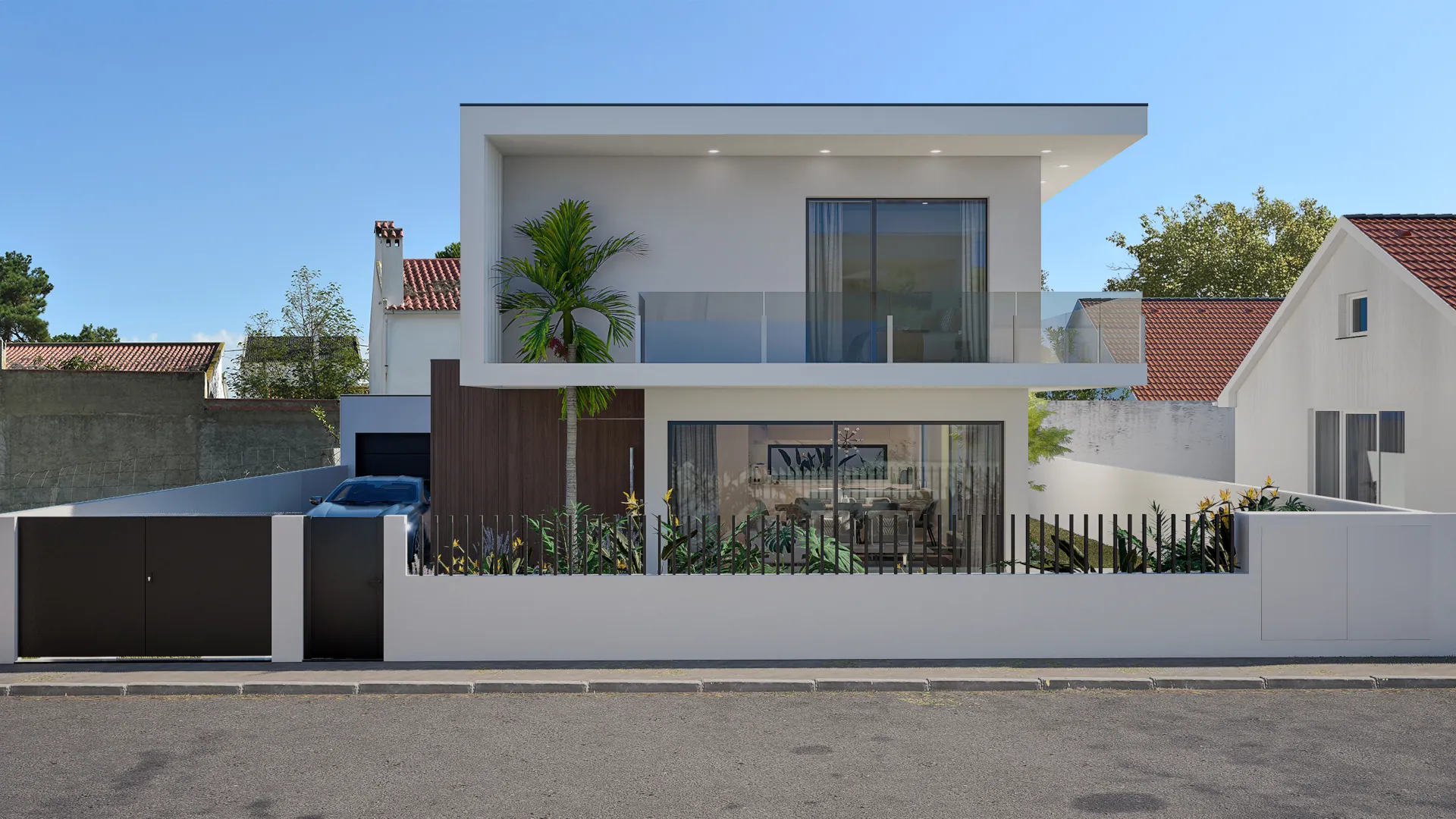
Let us be honest: your property marketing material is probably boring. You are selling one of the most expensive and emotional products in the world as if it were a toaster, and leaving a fortune on the table. Here is the psychology behind the one tool that sells a future buyers cannot refuse: 3D animation.
Let us be honest. Your property marketing material is probably boring. Floor plans, lists of features, maybe one or two nice images. You are selling one of the most expensive and emotional products in the world as if you were selling a toaster. And you are leaving a fortune on the table. The market does not reward “good enough”. It rewards boldness, emotion and connection. If you are ready to stop selling square metres and start selling a future your clients cannot refuse, you need to understand the psychology behind the one tool that does it: 3D animation.
The brain does not buy logic, it buys feeling.
You can list every feature in the world: Italian marble, floor-to-ceiling windows, cutting-edge home automation. That appeals to the logical part of the brain, the part that justifies the purchase. But the decision to buy? That is 100% emotional. This is where 99% of marketing fails: a list of features is usually forgotten, whereas a 3D animation is felt.
-
Activating mirror neurons: When a potential buyer watches an animation of a couple having breakfast on the balcony as the sun comes up, their brain reacts as if they were living that experience. It is science. They are not watching a video; they are mentally rehearsing their new life. No PDF can do that.
-
The power of “what if?”: A 3D animation carries the client into the future. It lets them dream. “What if my life were like this?” That feeling of aspiration is the catalyst that turns a “maybe” into an “I have to have it”.
Turning the ‘abstract’ into the ‘real’: the weapon for selling off-plan
Selling off-plan is the biggest challenge in real estate. You are selling a promise, thin air and a floor plan. The greatest enemy here is uncertainty. 3D animation does not just remove uncertainty; it replaces it with desire.
-
Building visual confidence: A cinematic animation shows that the project is not just an idea but an imminent, well-planned reality. It demonstrates a level of professionalism that inspires confidence in buyers and, crucially, in investors.
-
Higher perceived value: Nobody gets excited about cement. But people pay a premium for a sense of exclusivity. Data from the luxury property sector show that projects with high-quality video campaigns can justify a value per square metre 7-10% higher. A real example: A development in Miami sold 60% of its units over the launch weekend, driven by a 3D animation that showed not just apartments but a resort lifestyle. People did not buy a property; they bought a life upgrade.
The conversion script: it is not a walk-through, it is a story
The worst 3D animation is a boring “walk” down corridors. The best? A 90-second film with a hero: your client.
-
The perfect day: The best narrative structure follows “a day in the life”. Start with the sunrise coming through the bedroom window. Show the energy of the kitchen in the morning. The calm of the pool in the late afternoon. Friends gathered in the living room in the evening. Each scene is a point of emotional connection.
-
Focus on moments, not walls: Do not sell the living room. Sell the family film night. Do not sell the balcony. Sell the glass of wine at sunset. A great animation focuses on the experiences the space makes possible. It is the difference between selling the bottle and selling the moment of celebration.
Stop presenting, start persuading
3D animation is not an optional item in your marketing plan. It is the sales engine. It is the tool that turns a passive viewer into an emotional participant. Stop presenting projects and start telling stories. Stop selling houses and start selling the future everyone wants. The real question is not whether you can afford a 3D animation. The question is: how much longer can you afford not to have one?